Théorie
Webinaires, conférences vidéo et ateliers. Assistez aux cours en ligne et regardez les enregistrements quand vous le souhaitez.
Pratique
Et un retour d’information détaillé. Vous effectuerez régulièrement des tâches journalistiques réelles, individuellement ou en binôme.
Conseils
Bénéficiez du soutien de coordinateurs et de diplômés ainsi que d’experts pour toute question que vous pourriez avoir.
Stage
Travailler dans de grandes entreprises en tant que journaliste, accompagné de professionnels expérimentés.
regards citoyens
Caractéristiques de l’apprentissage
Il n’y a pas de conférences classiques à l’école de journalisme politique. Il vous apprend à rechercher et à vérifier des informations, à mener des entretiens, à travailler avec des données, à vous exprimer clairement et à raconter une
histoire convaincante. Les meilleurs étudiants sont envoyés en stage dans les meilleures rédactions de France.

regards citoyens
Pratique
Ce que vous apprendrez lors des sessions pratiques

Un journaliste a une vision large
Il est toujours au courant de l’ordre du jour, a une excellente compréhension de n, sait comment transformer une nouvelle en une information intéressante avec un titre convaincant et sait comment faire parler la personne interrogée
et obtenir des informations uniques de différentes sources.
Le journalisme ne concerne pas seulement les journaux
Devenir blogueur, réaliser une émission sur YouTube, enregistrer des podcasts, gérer un forum public sur Telegram : toutes ces activités exigent une capacité à travailler avec des flux d’informations, des sources et des tendances.

Les différents formats et genres de journalisme
Vous vous essayerez au reportage, à l’interview et à l’enquête. Vous apprendrez à rechercher des informations et à travailler avec des sources, et vous vous familiariserez avec l’éthique journalistique, la sécurité, les formats
numériques et interactifs.
Vous êtes rédacteur, écrivain, journaliste ?
Vous savez déjà comment rédiger des textes et travailler avec des infoprovocations, mais vous voulez continuer à vous développer professionnellement et à augmenter la valeur de vos services ? Avec nous, vous apprendrez à rechercher et
à vérifier des informations, à mener des interviews, à faire des reportages et à travailler avec l’agenda des actualités. Ainsi, vous pourrez participer à des projets prestigieux et gagner plus d’argent.

Êtes-vous un spécialiste du marketing de contenu ou un gestionnaire de marque ?
Dans votre travail, vous êtes amené à rédiger des blogs, des nouvelles et des interviews et vous souhaitez le faire de manière professionnelle ? Nous vous apprendrons à écrire de manière intéressante et concise, afin de retenir l’attention
de vos lecteurs et d’attirer un nouveau public.
regards citoyens
Compétences clés
Voir les réponses aux questions les plus fréquemment posées
Serai-je capable d’étudier si je n’ai aucune expérience des textes ?
Dans notre école, nous n’enseignons pas comment travailler avec des textes à partir de zéro. Il est conçu pour les étudiants qui ont déjà des compétences en matière d’édition. Sans expérience, il est plus difficile d’apprendre,
c’est pourquoi nous vous recommandons de suivre d’abord un cours d’écriture.
Pourrai-je trouver un emploi dans les médias après l’école ?
Si vous le souhaitez, vous pouvez également trouver un emploi pendant la formation. Nos formateurs sont des journalistes de premier plan travaillant pour des médias réputés et vous pouvez les interroger sur les postes vacants.
Aurai-je vraiment un stage ?
Cela dépendra de votre volonté et de votre persévérance. Nous donnerons cette opportunité aux meilleurs étudiants – le nombre de places pour les stages est limité. Les rédacteurs de la publication vérifieront les devoirs et
décideront des étudiants à inviter. Vous pourrez également parler aux tuteurs des cours, attirer leur attention et essayer d’organiser un stage.
regards citoyens
Nos diplômés
Ils ont obtenu leur diplôme et sont prêts à parler de leurs expériences.
Si vous avez encore des doutes sur l’opportunité d’étudier, laissez vos doutes derrière vous et étudiez ! Même si vous avez déjà fait vos premiers pas dans le journalisme, étudier dans cette école vous aidera à systématiser et à structurer
vos connaissances. Je suis sûr que vous apprendrez beaucoup ici – il n’y a pas de sujets inexplorés. Vous pourriez même trouver une source d’inspiration supplémentaire.

Fabrice Rancourt
Responsable du contenu
Je tiens à remercier l’école de journalisme pour ce cours intéressant et utile. Le texte des leçons est clair, mais contient aussi beaucoup d’informations utiles, et la plupart des leçons sont accompagnées de vidéos. Le cours aborde différents
domaines du journalisme et donne des conseils sur la façon de travailler avec des photos et du son. J’ai aimé le fait que j’ai acquis une bonne connaissance du journalisme en un laps de temps assez court.

Flordelis Achin
Reportage et rédaction d’histoires uniques
Je tiens à exprimer ma gratitude à l’école de journalisme pour les connaissances et l’excellente présentation du matériel – tout était intéressant, accessible et compréhensible, et il y avait toujours un retour d’information. Je ne regrette
pas d’avoir suivi ce cours, j’ai découvert beaucoup de nouvelles choses. Je souhaite à votre école un succès continu et de bons élèves !

Rule Pichette
Correspondant radio
Inscrivez-vous à la formation dès aujourd’hui!
Nos Enseignants
L’école fournit l’expérience nécessaire pour entrer sur le marché des médias et un minimum de connaissances sur la politique, l’économie et la culture contemporaines. L’école fournit l’expérience nécessaire pour entrer sur le marché
des médias avec un minimum de connaissances sur la politique, l’économie et la culture contemporaines.
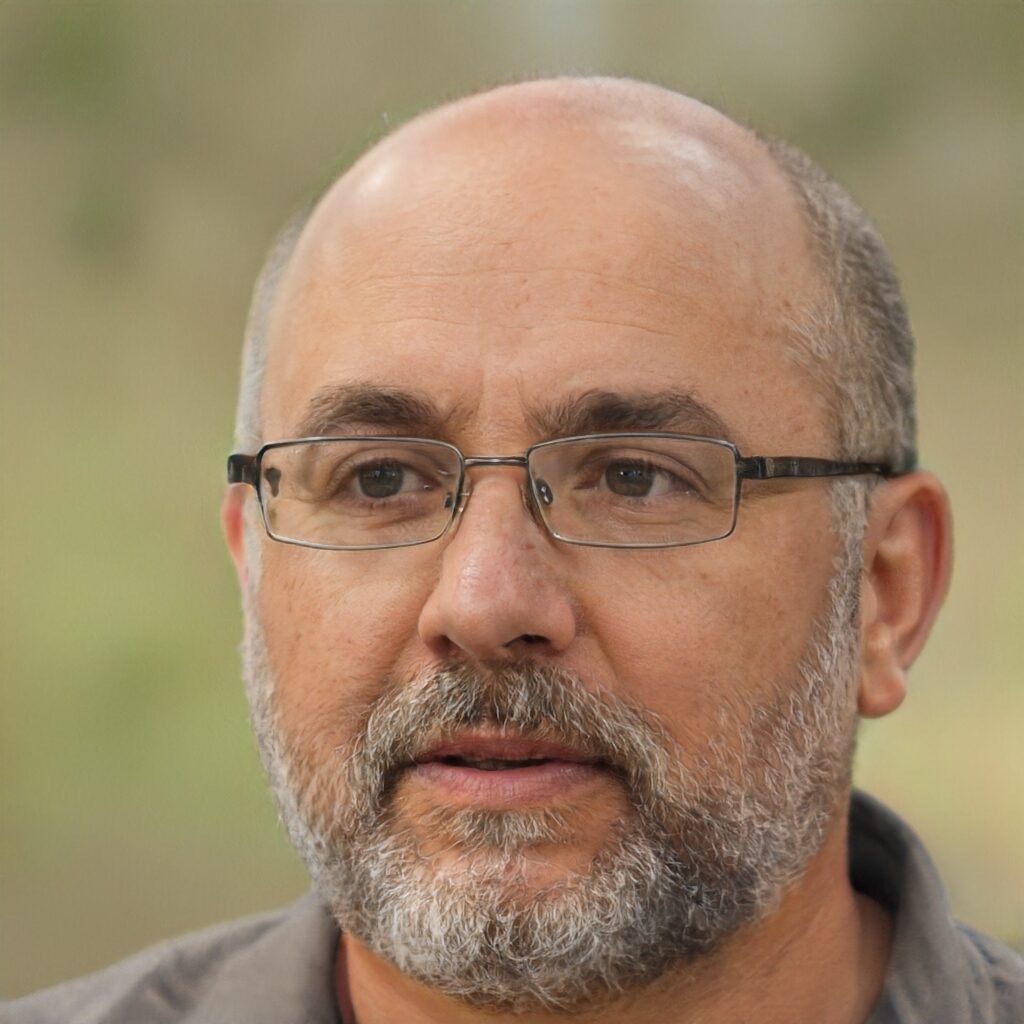
Mandel Meilleur
Auteur de manuels et d’ouvrages sur le journalisme sur Internet.
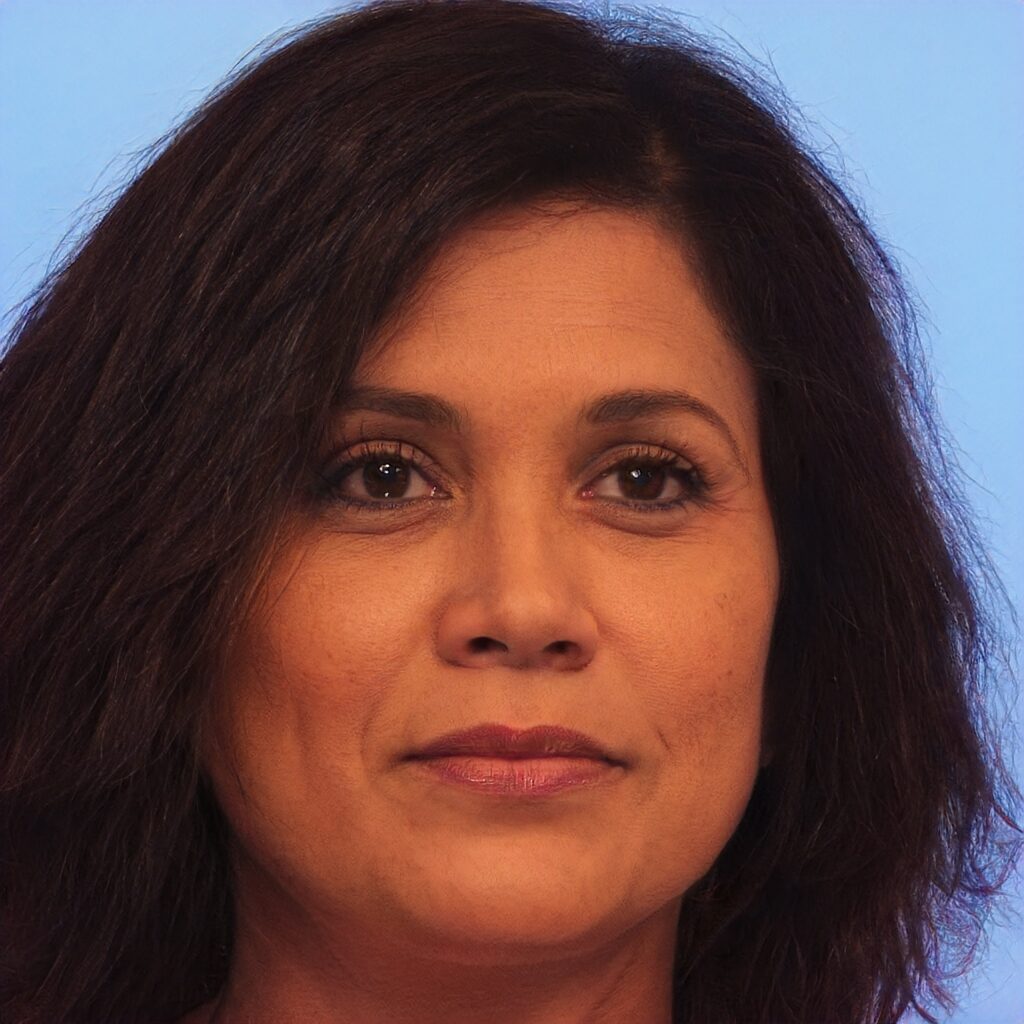
Maurelle Perrault
Directeur de la distribution du contenu
Michèle Marier
Rédacteur en chef
Julien Bisson
Éditeur et chef de produit de la Regards Citoyens
Nous nous associons aux meilleurs

Si vous avez besoin d’aide pour rédiger ou préparer sa soutenance de mémoire, une équipe d’experts qualifiés travaillera avec vous !

Les meilleurs casinos en ligne du marché – testés par nous pour vous. Parcourez le guide des meilleurs casinos au Japon. Nous avons la réponse à toutes les questions sur les jeux d’argent.

Seul le meilleur traceur GPS pour chien vous aidera à voir l’emplacement en temps réel de votre chien.

Casino en ligne d’Irlande sur le site Web https://top-irish-casino.com avec une licence, des paiements rapides, de bonnes critiques et un grand choix de jeux de hasard

Vous êtes à la recherche des meilleures opportunités de jeu en ligne ? Visitez le site de notre partenaire Bithound.io: https://bithound.io/fr/best-bitcoin-casino/ – les meilleurs casinos en bitcoins vous attendent.

Brokerschart est un service pour ceux qui s’intéressent à des investissements réussis et à la négociation d’actions. Le site fournit une note des meilleurs courtiers en Espagne avec une analyse détaillée de chaque entreprise.

Si vous faites face à un divorce ou à un autre problème de droit de la famille, vous êtes probablement aux prises avec des problèmes émotionnels et financiers ainsi que des problèmes juridiques.

Notre école de journalisme a formé notre partenaire François Jelius à l’amélioration de son projet principal CasinosFrancaisEnLigne.fr. Nous envisageons de développer la coopération entre nous et de préparer de nouveaux projets ensemble.
regards citoyens
Articles intéressants
Ils vous aideront à vous préparer à l’inscription et aux études à l’université Regards Citoyens.



Nos principes
L’idée de base de l’école est d’enseigner le journalisme par le travail, sans les traditionnelles « introductions » et les mots généraux. Tous les cours impliquent la participation active des étudiants – création de publications, podcasts,
tournage de vidéos.
regards citoyens
Nous contacter
Si vous avez des questions ou des suggestions, ou si vous avez décidé de commencer une formation à notre École de journalisme politique, veuillez utiliser le formulaire de commentaires.
